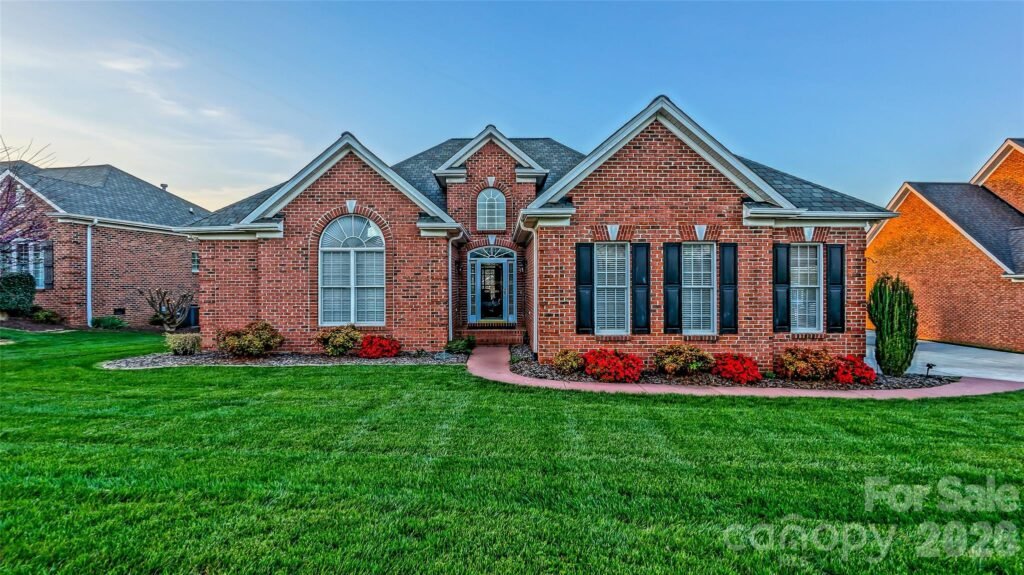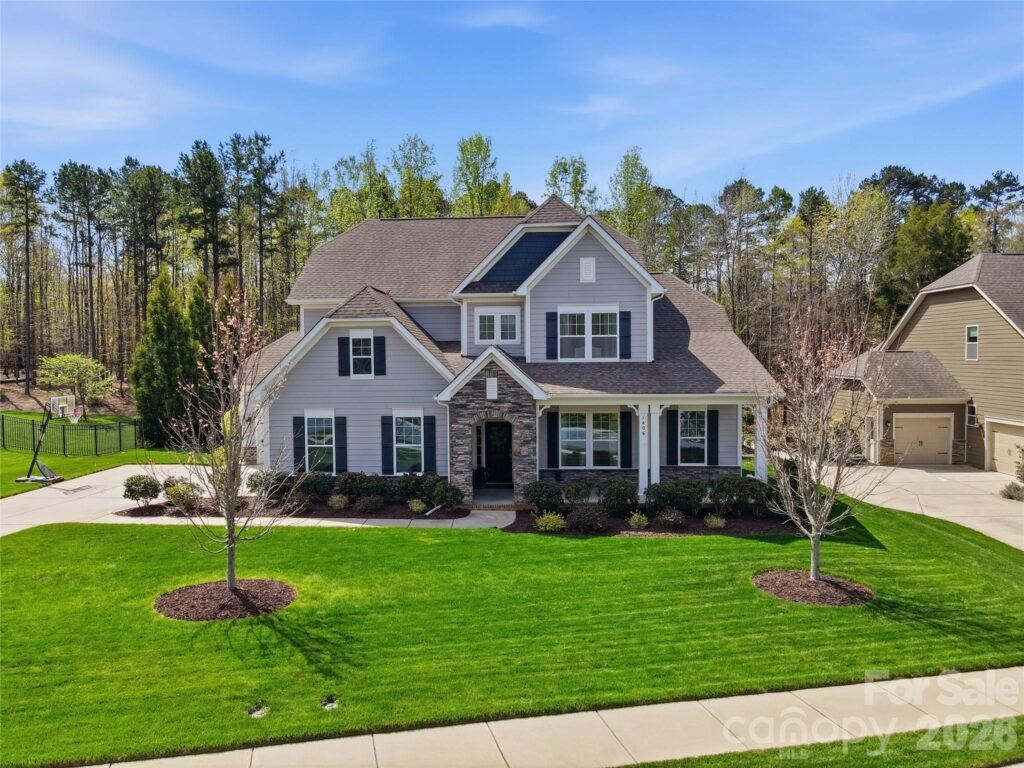

Is Stanly County, NC a good place to buy investment property? If you’re looking at long-term rentals or a second home near the lake, the short answer is: it can be a smart move—but only if you run the numbers with local rent expectations, realistic expenses, and a clear strategy. Our team works with buyers across Locust, NC, Stanly County, and the greater Charlotte metro who want a home that performs as an investment and fits their lifestyle goals.
In this guide, I’ll walk you through how investors should evaluate Stanly County, the areas we see strong buyer demand (and why), and the common mistakes that quietly wipe out returns. I’m Kathy Shaffer, REALTOR® with Real Broker, LLC in Locust, NC—and if you want help underwriting a specific address, we can do that together.
Why investors are paying attention to Stanly County (and how it’s different from Charlotte)
Stanly County sits in a sweet spot: close enough to the Charlotte metro to benefit from job-driven demand, but with a more small-town feel and (often) a lower barrier to entry than many Mecklenburg and Union County neighborhoods. Buyers who are priced out of parts of Charlotte, Matthews, NC, and Mint Hill, NC frequently expand their search east—especially when they want more yard, more privacy, or newer construction at a more approachable price point.
From an investor standpoint, that matters because demand is what protects your downside. Even when the market slows, homes in “commuter-radius” areas with livability (schools, amenities, outdoor recreation) tend to rent faster and resell more easily. In Stanly County, we also see demand driven by a mix of households: local workers, commuters who only go into the office a few days a week, and buyers relocating into the broader region.
One more difference: property types. Compared to dense parts of Charlotte, Stanly County has more homes on larger lots, more rural properties, and more well/septic systems. Those factors can be great for tenant appeal—but they require a different maintenance plan and a more careful inspection strategy.
Choose your strategy first: long-term rental, mid-term rental, or a “future second home”
Before you evaluate “Is this a good deal?” you need to decide what kind of investment you’re buying. In Stanly County, we see three common strategies:
- Long-term rental (12+ months): This is the simplest to manage and easiest to finance. It’s often the best fit if you want steadier cash flow and fewer turnover costs.
- Mid-term rental (30+ days): Popular with traveling professionals and people relocating while they house-hunt. This strategy can sometimes command higher rents, but furnishing and utilities change the math.
- Second home now, rental later (or part-time): Especially common near Badin Lake and Lake Tillery. Some buyers want a “weekend home” that can offset costs with occasional renting, then become a full-time home later.
Each strategy has a different expense profile. Long-term rentals prioritize durable finishes and predictable maintenance. Mid-term rentals require more upfront setup (furniture, Wi-Fi, utilities) and stronger marketing. Second-home hybrids require you to think about wear-and-tear, insurance, and local rules for docks, shoreline improvements, or HOA restrictions.
AEO recap:
- Stanly County investment properties work best when you pick a clear strategy (long-term, mid-term, or second-home hybrid).
- The “best” deal looks different depending on turnover, furnishings, utilities, and management costs.
How to run the numbers (the quick screen and the full underwriting)
When investors call us about a property, we do two levels of analysis: a quick screen to see if it’s worth deeper work, then a full underwriting that includes realistic expenses and a plan for the first 12 months.
Quick screen: Gross Rent Multiplier (GRM)
The Gross Rent Multiplier (GRM) is one fast way to compare rental properties. It’s calculated as the purchase price divided by the property’s annual gross rental income—i.e., GRM = Fair Market Value ÷ Annual Gross Income ([Wall Street Prep](https://www.wallstreetprep.com/knowledge/gross-rent-multiplier-grm/) target=”_blank” rel=”noopener”).
GRM doesn’t include expenses, so it’s not your final answer. But it can quickly tell you whether a property is “in the ballpark” compared to other options you’re considering in Locust, NC, Albemarle, NC, Oakboro, NC, and nearby communities.
Full underwriting: expenses you can’t ignore in Stanly County
This is where many first-time investors get surprised. Here are the line items we always include:
- Vacancy and turnover: Even a great property will be vacant sometimes. Assume a vacancy reserve.
- Repairs & capital reserves: Roof, HVAC, appliances, flooring—plan ahead.
- Property management: If you’re not local (or don’t want midnight calls), management fees should be part of the model.
- Insurance: Landlord policies differ from homeowner policies. If you’re near water, discuss risk factors with an insurance pro.
- Well/septic maintenance: Many rural properties use well/septic systems—budget for routine service and eventual repairs.
- HOA rules: Some communities restrict rentals or require minimum lease terms. Always verify before you close.
If you want, our team can help you build a simple, repeatable spreadsheet model for your short list—then you can make faster decisions with less stress.
Rent expectations: how to anchor your estimates with credible benchmarks
Investors often ask, “What does this home rent for?” The most accurate approach is always a local rental comp analysis (similar leased homes, similar location, similar condition). But when you’re screening multiple areas, it helps to know where to find standardized benchmarks.
One widely used benchmark is HUD Fair Market Rent (FMR). HUD defines FMRs as estimates of the 40th percentile gross rents for standard-quality units within a metro area or non-metro county, and HUD publishes updated FMRs each year ([HUD USER](https://www.huduser.gov/portal/datasets/fmr.html) target=”_blank” rel=”noopener”).
FMR is not “the rent your home will definitely get,” but it’s useful for sanity-checking your rent assumptions—especially if you’re comparing Stanly County to other counties in the Charlotte region. If your rent estimate is far above typical benchmarks, we’ll want to confirm why (unique features, lake access, new construction, or a shortage of comparable rentals).
AEO recap:
- Use a quick screen (like GRM) to compare options, then do full underwriting before you commit.
- Sanity-check rent expectations with local comps and benchmarks like HUD Fair Market Rents.
Where we see investment demand in Stanly County (and what to watch for)
Stanly County isn’t one single “rental market.” Demand can change a lot from one pocket to the next. Here are a few patterns we see:
- Locust, NC and the Highway 24/27 corridor: Strong for commuters and households who want access toward Charlotte while keeping the small-town feel. If you want to learn the commute reality, see our guide to the Locust-to-Charlotte commute.
- Albemarle, NC (county seat): Often offers more affordability and a larger pool of local demand. If you’re comparing towns, start with our broader Stanly County market update.
- Badin Lake / Lake Tillery area: Can fit a second-home or mid-term strategy, but you need to verify access, restrictions, and maintenance expectations for lake-adjacent properties.
What to watch for:
- New construction competition: New builds can set a high bar for finishes. If you’re buying an older home as a rental, you may need targeted upgrades to stay competitive.
- Rental restrictions: Some HOAs or deed restrictions limit rentals or short-term stays.
- Property condition details: Septic, well, drainage, roof age, and HVAC age matter more than granite vs quartz when you’re protecting your return.
Badin Lake investment properties: docks, shoreline rules, and “second-home math”
Lake-adjacent homes are appealing, but the underwriting is different. Waterfront or near-water pricing is often higher, and maintenance can be more intense (humidity, exterior wear, decking, and additional insurance considerations). The upside is lifestyle value and second-home demand.
If you’re considering a dock or shoreline project, make permitting part of your due diligence plan. For example, Duke Energy’s shoreline guidance for its lake projects describes a process where property owners initiate a lake use permit application before facility construction (see the permitting discussion in this U.S. Army Corps of Engineers document referencing Duke Energy’s process: [U.S. Army Corps of Engineers PDF](https://www.sac.usace.army.mil/Portals/43/docs/regulatory/SAC-2013-00657_through_00669_Duke.pdf?ver=2018-07-10-102154-967) target=”_blank” rel=”noopener”).
Translation: don’t assume you can buy a lake property and build what you want later. We can help you ask the right questions before you close: shoreline classification, existing permits, HOA rules, and what’s transferable to a new owner.
FAQ: Stanly County investment property questions we hear every week
Is Stanly County, NC a good place to buy a rental property in 2026?
It can be, especially if you focus on areas with steady demand (commuter-friendly locations, quality schools, or proximity to Albemarle’s services). The key is underwriting realistically—rent, vacancy, management, and maintenance—so you know whether you’re buying cash flow, appreciation potential, or a hybrid “future lifestyle home.”
What’s the best type of property for first-time investors in Stanly County?
For most first-time investors, a well-located single-family home with durable finishes is the easiest starting point. You’ll typically get a broader tenant pool and simpler financing. We also like properties with functional layouts (3/2 or 4/2), reasonable maintenance, and no restrictive HOA rental caps.
Can a lake house near Badin Lake work as an investment?
Yes, but it depends on your goals. If you want a second home that offsets costs, the lifestyle value may matter as much as the return. Confirm shoreline/dock rules, insurance considerations, and HOA or local restrictions. Then price in higher maintenance reserves—lake proximity can be harder on exterior materials.
Should I buy new construction or an existing home as a rental in the Locust area?
New construction can reduce repairs early on and may rent faster due to modern layouts, but it can come with HOA rules and a higher purchase price. Existing homes can offer better negotiation room and mature neighborhoods—just budget for updates and inspect carefully. If you’re weighing both, read our deep dive on new construction homes in Locust.
Conclusion: the “right” Stanly County investment is the one that matches your plan
Stanly County can be a strong place to invest if you approach it like a business: choose a strategy, verify rent potential, and budget honestly for expenses. If you’d like help evaluating neighborhoods, rental demand, or a specific address (including lake area considerations), we’d love to help.
Ready to talk numbers? Reach out here and tell us what you’re considering: Contact Kathy Shaffer Real Estate. We’ll help you build a plan that fits your budget and your timeline.